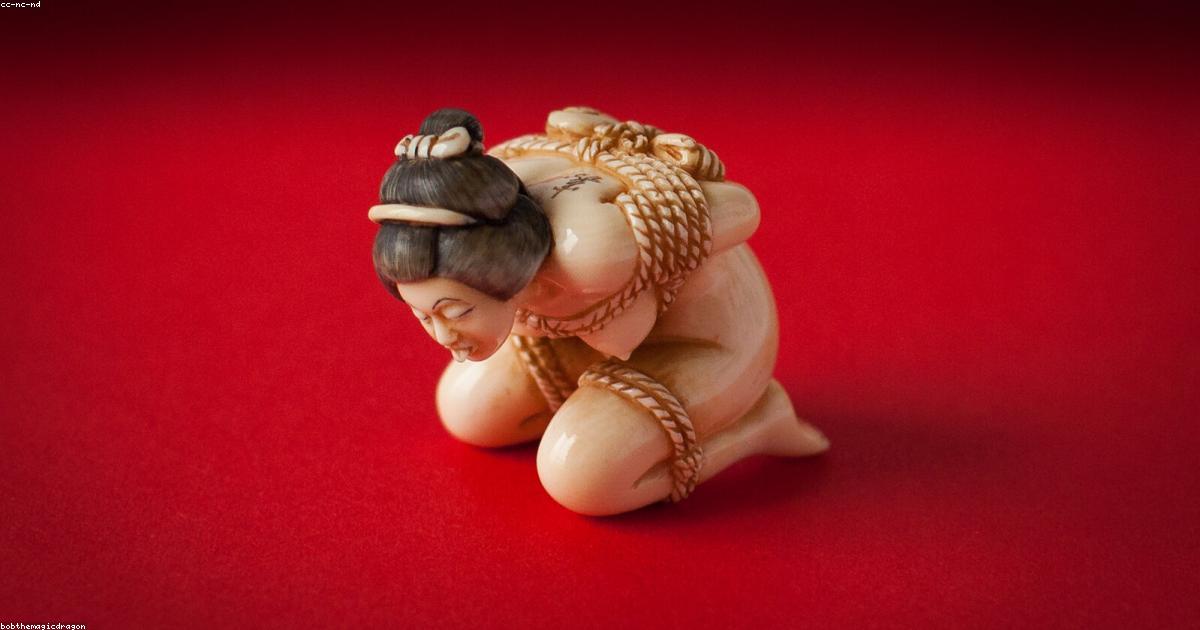
Japanese Shibari bondage is a sophisticated and artistic form of rope bondage that has evolved from traditional Japanese hojojutsu techniques. Renowned for its intricate patterns and emphasis on aesthetics, Shibari combines physical restraint with emotional connection, making it a unique practice within the BDSM community. This article delves into the origins, techniques, safety considerations, and cultural aspects of Shibari, offering a thorough understanding of this captivating art form.
The Origins and History of Japanese Shibari
Shibari, which translates to "to tie" or "to bind" in Japanese, traces its roots back to hojojutsu, a martial art used by samurai and law enforcement to restrain prisoners. Hojojutsu focused on practical and secure bindings, often with symbolic patterns reflecting the captive's social status or crime. Over time, these utilitarian techniques evolved into an expressive and erotic art form known as Shibari.
In the early 20th century, Shibari transitioned from its martial origins to become part of Japanese erotic culture. Influenced by kinbaku-bi, meaning "the beauty of tight binding," the practice began emphasizing aesthetics, sensuality, and emotional connection between participants. Today, Shibari is celebrated worldwide as both an artistic expression and a consensual form of bondage play.
The modern resurgence of Shibari owes much to pioneers who introduced it to Western audiences in the late 20th century. Workshops, performances, and instructional materials have expanded its reach, fostering a global community dedicated to preserving its traditions while innovating new techniques.
Fundamental Techniques and Rope Types in Shibari
Shibari employs various knots, wraps, and ties designed to create both aesthetic patterns and functional restraint. Basic ties include the single column tie, double column tie, and chest harnesses, forming the foundation for more complex structures. Practitioners often develop their own styles, blending traditional methods with personal creativity.
The choice of rope is essential in Shibari practice. Natural fibers like jute and hemp are preferred for their texture, flexibility, and grip, which allow for secure knots and comfortable wear. These ropes require proper maintenance, including drying and conditioning, to ensure longevity and safety during use.
Mastering tension control is critical to avoid injury and maintain comfort. Applying the right amount of pressure ensures effective restraint without cutting off circulation or causing nerve damage. Experienced riggers continuously monitor their partners’ physical and emotional responses to adjust ties accordingly.
Safety Considerations and Consent in Shibari
Safety is paramount in Shibari bondage. Because the practice involves physical restraint, understanding anatomy and potential risks is essential. Knowledge of nerve paths, circulation, and breathing helps prevent injuries such as numbness, muscle strain, or asphyxiation. Practitioners should always prioritize their partner’s well-being over aesthetic goals.
Clear communication and explicit consent form the foundation of ethical Shibari. Partners must discuss boundaries, limits, and safe words before engaging in any session. Establishing trust and ongoing dialogue ensures that both participants feel secure and respected throughout the experience.
Having safety tools on hand, such as safety scissors designed to quickly cut ropes, is a critical precaution. Additionally, riggers should never leave a bound partner unattended and should continuously observe for signs of distress or discomfort to intervene promptly if needed.
The Emotional and Psychological Aspects of Shibari
Beyond its physical components, Shibari fosters deep emotional connection and trust between participants. The act of binding and being bound can create vulnerability and intimacy, enhancing the psychological experience. Many practitioners describe a meditative or trance-like state during sessions, highlighting the practice’s therapeutic potential.
Shibari also involves elements of power exchange, where roles such as rigger and model explore dynamics of control and surrender consensually. This interplay can lead to heightened sensations and emotional release, contributing to the practice’s appeal within BDSM contexts.
Mindfulness and presence are emphasized during Shibari sessions. Both partners must remain attuned to each other’s needs and reactions, cultivating empathy and mutual respect. This attentive engagement distinguishes Shibari from purely physical bondage techniques.
Cultural Significance and Artistic Expression in Shibari
Shibari is deeply embedded in Japanese culture, reflecting aesthetic principles such as wabi-sabi, which appreciates imperfection and transience. The intricate rope patterns are not only functional but also visually striking, often showcased in photography, performance art, and fashion.
Artists and performers incorporate Shibari into various media, exploring themes of beauty, constraint, and human form. This artistic dimension elevates Shibari beyond a mere bondage technique, positioning it as a creative discipline that blends craftsmanship with emotional storytelling.
Workshops, exhibitions, and festivals dedicated to Shibari have increased global awareness and appreciation of its cultural roots. These events facilitate cross-cultural exchange and innovation while honoring traditional practices and ethical standards.
Shibari in Contemporary BDSM Communities
Within modern BDSM communities, Shibari holds a respected place as both a skillful craft and a form of intimate play. It attracts practitioners interested in the aesthetic, tactile, and emotional qualities of rope bondage. Many seek formal training to develop proficiency and ensure safe practices.
Online platforms, social media groups, and local meetups provide spaces for sharing knowledge, techniques, and experiences related to Shibari. These communities emphasize education, consent, and mutual support, contributing to the practice’s positive reputation.
Shibari’s integration into BDSM events and workshops worldwide reflects its versatility and appeal. From casual play to elaborate performances, it offers participants opportunities for self-expression, connection, and exploration within consensual frameworks.
Getting Started with Shibari: Tips for Beginners
Beginners interested in Shibari should start by learning basic knots and safety principles from reputable sources, such as experienced instructors or instructional books and videos. Developing foundational skills builds confidence and reduces the risk of injury.
Investing in quality rope designed for bondage use is important. Beginners may prefer softer, thicker ropes that are easier to handle and less likely to cause discomfort. Proper rope care, including cleaning and storage, preserves the material’s integrity.
Practicing with a trusted partner and prioritizing open communication enhances learning experiences. Attending workshops or joining local rope bondage groups can provide hands-on guidance and community support, accelerating skill development in a safe environment.
Advanced Shibari Techniques and Creative Exploration
As practitioners gain experience, they often explore advanced ties involving complex patterns, suspension techniques, and multi-point harnesses. These require heightened attention to anatomy, safety, and partner feedback due to increased physical demands.
Creative experimentation with rope placement, tension, and body positioning allows riggers to develop unique styles and personalized expressions. Combining Shibari with other art forms, such as dance or photography, opens new avenues for artistic collaboration.
Continued education through workshops, mentorship, and community engagement helps refine skills and deepen understanding of Shibari’s cultural and emotional dimensions. Responsible practice ensures that advanced techniques remain safe, consensual, and fulfilling for all participants.
Conclusion
Japanese Shibari bondage is a multifaceted practice that intertwines artistry, physical technique, emotional connection, and cultural heritage. Whether approached as a form of erotic play, artistic expression, or therapeutic exploration, Shibari demands respect for safety, consent, and tradition. By understanding its historical roots, mastering foundational skills, and embracing open communication, practitioners can enjoy a fulfilling and enriching experience. As Shibari continues to evolve globally, it remains a powerful medium for creativity, intimacy, and personal growth.