Radiation therapy for head and neck cancer presents unique challenges, as the delicate structures within the oral cavity must be precisely targeted to maximize treatment effectiveness while minimizing damage to healthy tissue. Recent advances in 3D printing technology have enabled the creation of custom-fit medical devices that support this goal, offering patients a more tolerable and consistent treatment experience. Kallisio, a personalized cancer medtech company, has developed Stentra, an FDA-cleared intraoral device designed to hold oral structures in place during radiation sessions. Recognizing that access to such innovative solutions can be limited by hospital adoption timelines, Kallisio has launched an expanded access program to connect eligible patients directly with Stentra, ensuring that more individuals can benefit from this tailored approach to care.
The Promise of Personalized 3D Printed Devices in Radiation Therapy
Radiation therapy requires pinpoint accuracy to deliver the therapeutic dose to cancerous tissue while sparing surrounding healthy areas. In head and neck cancers, this is particularly challenging due to the complex anatomy and the mobility of oral structures such as the tongue and lips. Traditional approaches often rely on generic devices or manual positioning, which can lead to variability in treatment delivery and increased side effects.
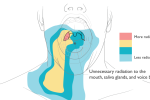
Stentra, developed by Kallisio, is a custom mouthpiece created from a digital scan of each patient’s mouth. Worn throughout every radiation session, it stabilizes the tongue, lips, and other oral tissues, ensuring the radiation beam consistently targets the intended area. This precision helps reduce collateral damage to healthy tissue, potentially lowering the incidence of side effects such as severe oral mucositis—a painful inflammation and ulceration of the mucous membranes commonly experienced by patients undergoing radiation therapy.
The device’s design and manufacturing process leverage 3D printing technology, allowing for rapid production tailored to the patient’s unique anatomy. This personalized approach represents a significant advancement over one-size-fits-all solutions, aligning with broader trends in precision medicine.
Overcoming Barriers: Kallisio’s Expanded Access Program
While the clinical benefits of personalized devices like Stentra are clear, their availability can be limited by institutional adoption timelines and procurement processes. Hospitals and cancer centers may take months or longer to integrate new technologies into their workflows, delaying patient access.
To address this challenge, Kallisio has introduced an expanded access program that reaches patients directly, even if their treatment center has not yet adopted Stentra. Patients or caregivers can initiate contact through Kallisio’s website before radiation therapy begins. The company then coordinates with the patient’s radiation oncologist to confirm clinical eligibility, arranges for a local digital dental scan, and manages device delivery and integration into the treatment plan.
Importantly, Kallisio covers the cost of the device for eligible patients when their treatment center has not yet incorporated Stentra, removing financial and logistical barriers. This patient-centered model decouples access from hospital procurement timelines, ensuring that treatment decisions are driven by clinical needs rather than institutional readiness.
Clinical Experience and Early Outcomes
Stentra is currently in use at several U.S. cancer centers, including Stanford Health Care, where it has been integrated into radiation oncology workflows. Early observational data from case series indicate that the device maintains consistent positioning throughout patients’ radiation regimens without causing treatment delays or disruptions.
Kallisio reports that no patient in these series missed treatment days due to device-related issues, underscoring its reliability and ease of use. These promising results support the device’s potential to improve treatment tolerability and outcomes.
A comprehensive analysis of these findings is underway for submission to a peer-reviewed journal, which will provide more detailed evidence on Stentra’s clinical impact. The device’s development was informed by collaborations with leading academic medical centers, including The University of Texas MD Anderson Cancer Center, ensuring that it aligns with real-world clinical workflows.
The Technology Behind the Speed and Precision
Kallisio’s ability to deliver a custom device within 72 hours relies on a streamlined digital workflow designed to integrate seamlessly with existing clinical routines. The process begins with a digital scan of the patient’s oral cavity, accepted in common formats such as STL and DICOM, which can be obtained through local dental providers.
These digital files are securely transmitted to Kallisio’s lab, where proprietary software generates a device model that incorporates the patient’s anatomy, clinical indications, and radiation prescription. The device is then manufactured using biocompatible materials by ISO-certified partners and shipped promptly to the treatment center.
Notably, the workflow is designed to protect patient privacy by excluding health information from the data transfer, maintaining compliance with HIPAA regulations without requiring complex IT setups at the hospital. This approach reduces administrative burdens and facilitates rapid onboarding, with the company reporting that the entire process takes less than 15 minutes to initiate.
Broader Implications for 3D Printed Healthcare Devices
Kallisio’s direct-to-patient access model reflects a growing recognition that technology readiness often outpaces institutional adoption in healthcare. Personalized medical devices can only improve outcomes if patients can actually receive them in a timely manner.
Similar efforts in related fields highlight this dynamic. For example, 3D printing was recently recognized as a reimbursable method for prosthetic fabrication under Medicare, removing a significant cost barrier for patients needing custom orthotic and prosthetic devices. Programs like the Atlanta VA Healthcare System’s use of 3D printed casts and splints demonstrate how rapid, patient-centered manufacturing can improve care delivery.
In radiation oncology, other companies such as Adaptiiv Medical Technologies have successfully integrated 3D printed boluses into major treatment centers, expanding access to personalized devices for underserved patient populations. These initiatives collectively underscore the importance of innovative access models alongside technological advances.
Kallisio’s expanded access program for Stentra adds to this momentum by ensuring that patients facing head and neck cancer have equitable access to devices that can make their treatment more tolerable and effective.
What this means
The integration of 3D printing technology into cancer care exemplifies how personalized medicine can enhance treatment precision and patient experience. Kallisio’s Stentra device, coupled with its expanded access program, addresses a critical gap between technological innovation and patient accessibility. By empowering patients and care teams with a custom-fit solution that supports consistent radiation delivery, this approach holds promise for reducing side effects and improving outcomes in head and neck cancer treatment. As healthcare continues to embrace additive manufacturing and patient-centered models, initiatives like Stentra’s expanded access program will be vital in translating innovation into real-world benefits for patients facing complex medical challenges.
Source: Kallisio Moves to Close Adoption Gap for 3D Printed Head and Neck Cancer Device via 3dprintingindustry.com.
This article was curated with AI assistance and reviewed according to Tamfis editorial settings.